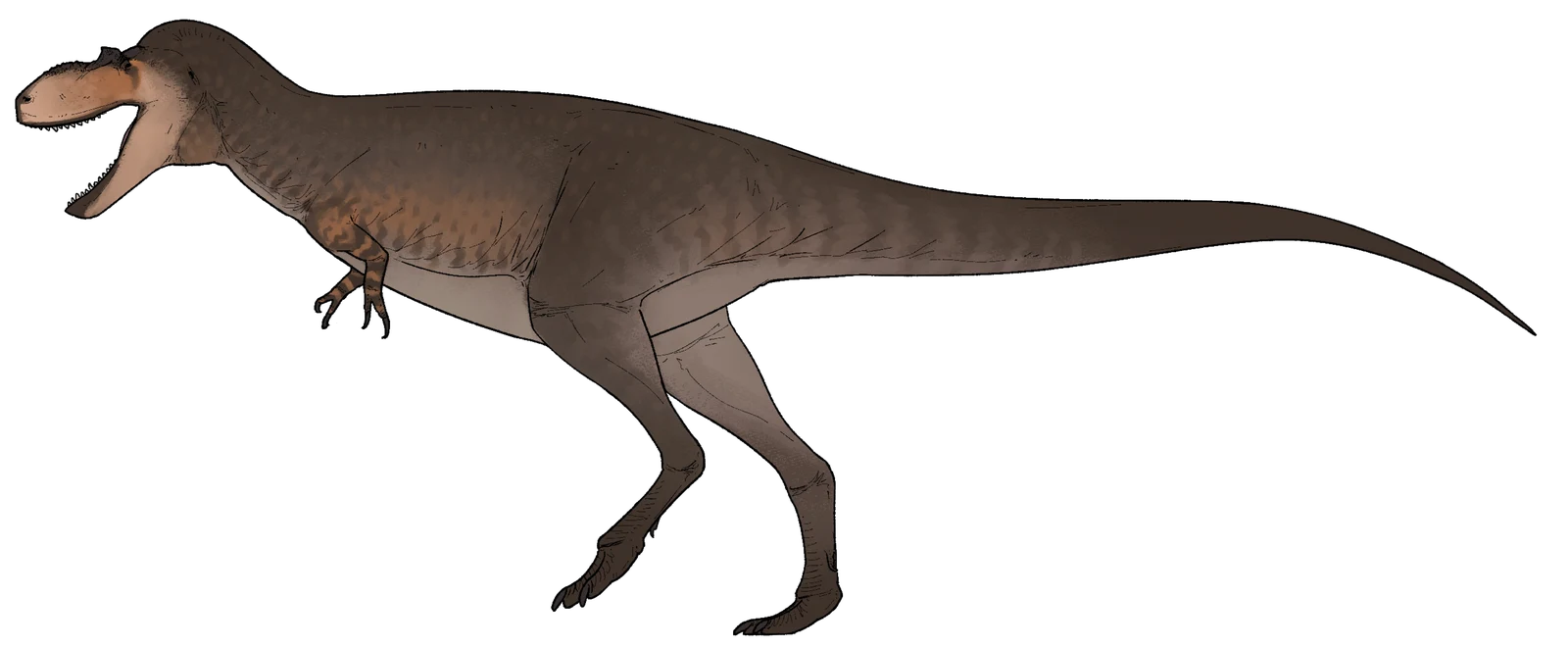
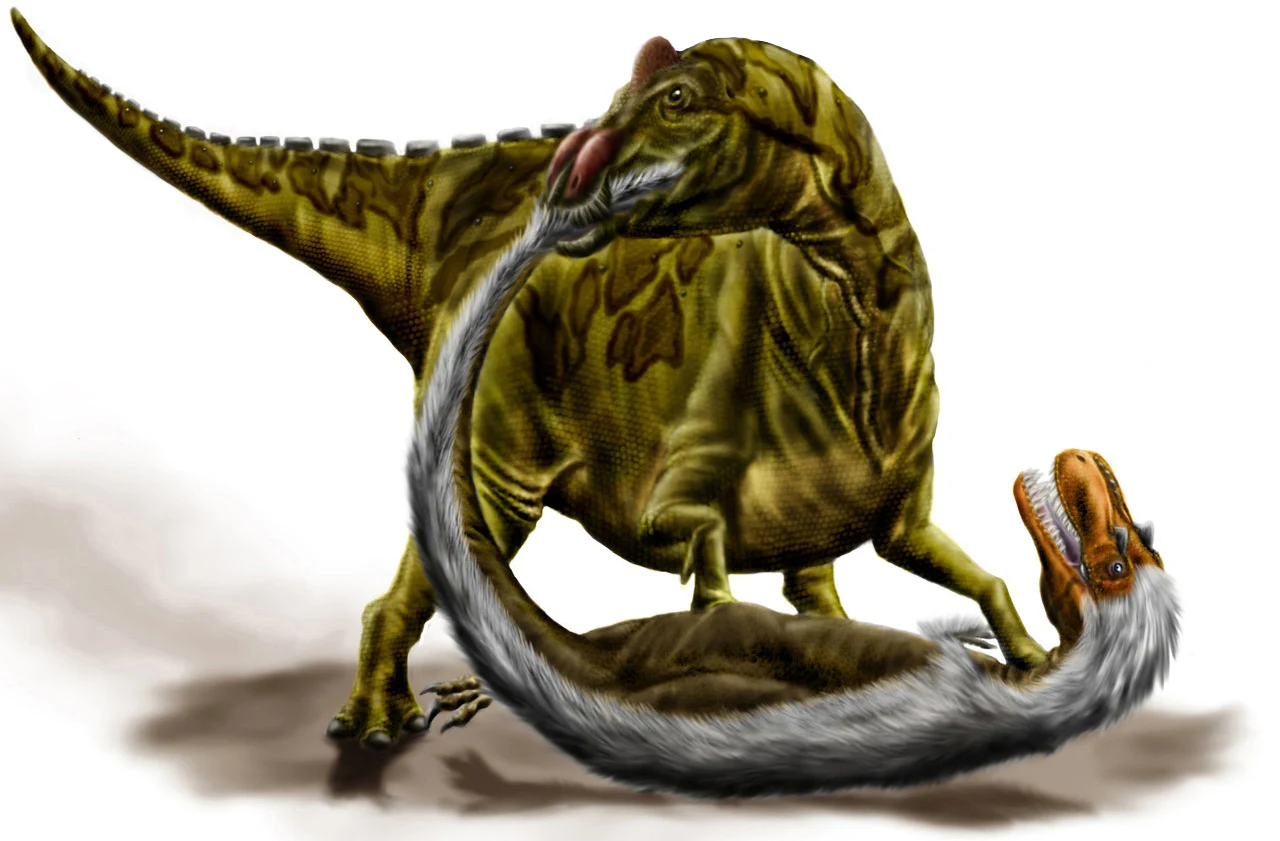
Albertosaurus was a carnivore. It lived in the Cretaceous period and inhabited North America. Its fossils have been found in places such as Alberta (Canada), Montana and Saskatchewan (Canada).
Quick facts about Albertosaurus:
- Existed from 85.8 million years ago to Maastrichtian Age
- Lived in a terrestrial habitat
- Was a carnivore
- Reproduced by laying eggs
- Had a body mass of approximately 2500 kg
- Fossil femurs are approximately 905 mm long and wide
- 24 different specimens have been found by paleontologists
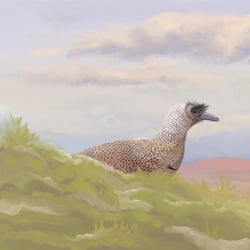
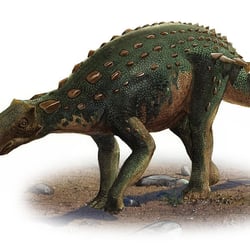
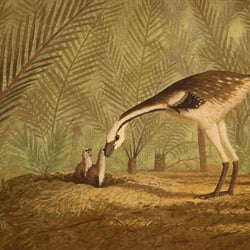
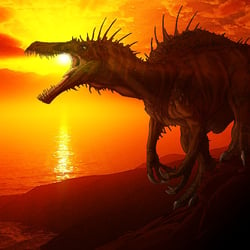
All the Albertosaurus illustrations below were collected from the internet. Enjoy and explore:
- View Albertosaurus on ancient earth globe
- Random dinosaur
- More from the Cretaceous period
- More in North America
- All dinosaurs
- Search:
Albertosaurus was described by the following scientific paper(s):
- A. P. Hunt and S. G. Lucas. 1992. Stratigraphy, paleontology and age of the Fruitland and Kirtland formations (Upper Cretaceous), San Juan Basin, New Mexico. In S. G. Lucas, B. S. Kues, T. E. Williamson & A. P. Hunt (eds.), New Mexico Geological Society, 43rd Annual Fall Field Conference, San Juan Basin IV, Guidebook. New Mexico Geological Society. 43:217-239
- B. Brown. 1914. Cretaceous Eocene correlation in New Mexico, Wyoming, Montana, Alberta. Bulletin of the Geological Society of America 25:355-380
- D. A. Eberth, P. J. Currie, and D. B. Brinkman, M. J. Ryan, D. R. Braman, J. D. Gardner, V. D. Lam, D. N. Spivak, A. G. Neuman. 2001. Alberta's dinosaurs and other fossil vertebrates: Judith River and Edmonton groups (Campanian-Maastrichtian). In C. L. Hill (ed), Society of Vertebrate Paleontology, 61st Annual Meeting, Bozeman. Guidebook for the Field Trips: Mesozoic and Cenozoic Paleontology in the Western Plains and Rocky Mountains, Museum of the Rockies Occasional Paper 3:49-75